Comprehending the Relevance of POS Software in Modern Retail Operations
In today's retail landscape, the duty of POS software has actually come to be significantly significant. These systems have actually changed from standard cash money registers to complex devices that boost various elements of procedures. They not just simplify purchases yet also provide understandings that can shape organization techniques. Understanding how these systems impact customer experience and stock monitoring is crucial for any retailer seeking to stay competitive. The ramifications of these improvements warrant additional expedition.
The Development of POS Software: From Purchase Processing to Comprehensive Solutions

Enhancing Consumer Experience Through Advanced POS Features

Improving Supply Administration With Integrated POS Systems
Integrated POS systems play a crucial function in simplifying inventory management by automating procedures that typically called for substantial hand-operated effort. These systems make it possible for retailers to track stock degrees in actual time, getting rid of discrepancies that typically develop from manual supply counts. With features such as barcode scanning and automated stock replenishment informs, organizations can keep ideal inventory degrees without overstocking or stockouts.Furthermore, integrated POS systems help with precise forecasting by analyzing historic sales information, allowing sellers to make enlightened acquiring decisions. This predictive capability helps organizations adapt to changing consumer needs and seasonal trends much more effectively.Additionally, the centralization of stock information across multiple sales networks enhances visibility, enabling merchants to manage their supply extra successfully. Ultimately, the assimilation of POS systems right into stock monitoring streamlines operations, decreases human error, and adds to boosted earnings.
Real-Time Sales Tracking and Reporting for Informed Decision-Making

Exact inventory management prepares for reliable sales monitoring and coverage. Real-time sales tracking makes it possible for retailers to monitor sales efficiency as it takes place, supplying instant insights right into customer acquiring patterns and trends. This capability allows companies to respond quickly to variations sought after, enhancing supply degrees and decreasing overstock or stockouts.Moreover, integrated POS systems facilitate the generation of thorough reports, highlighting essential metrics such as sales by group, time durations, and specific products. Such coverage capacities encourage retailers to make data-driven choices, identifying successful approaches and areas requiring improvement.
The Duty of POS Software in Customer Connection Monitoring
POS software plays a vital function in improving customer relationship management by enabling stores to execute individualized advertising approaches. By evaluating consumer data, businesses can tailor promotions and communications to satisfy specific preferences. Additionally, these systems help with the advancement of enhanced commitment programs that encourage repeat business and enhance consumer engagement.
Personalized Advertising And Marketing Methods
As merchants progressively seek to boost customer commitment and engagement, customized advertising methods have become an essential part of reliable consumer connection management. POS software plays an essential role in this process by collecting and assessing customer data, enabling sellers to tailor advertising and marketing efforts to individual preferences and buying actions. By leveraging understandings from acquisition histories, retailers can develop targeted promos and personalized communications that resonate with customers, promoting a much deeper connection. Furthermore, the combination of POS software with consumer relationship management systems allows for seamless tracking of client communications, making certain that advertising and marketing strategies remain pertinent and timely (Restaurant POS Software). This data-driven method not just enhances client satisfaction yet likewise drives sales and encourages repeat company, solidifying the store's market position
Enhanced Commitment Programs
Stores are increasingly acknowledging the significance of loyalty programs in cultivating lasting client partnerships and boosting total interaction. POS software plays a necessary function in the development and administration of these programs, enabling retailers to track consumer purchases, choices, and actions properly. By leveraging data analytics, companies can create customized rewards and motivations that resonate with private customers, thereby boosting participation in commitment programs. Additionally, POS systems enable smooth combination with mobile apps and digital systems, assisting in simple accessibility to rewards and promos. This not only improves consumer Going Here fulfillment but likewise drives repeat business. Eventually, POS software encourages merchants to grow deeper links with their clients, transforming periodic shoppers into faithful clients through targeted and significant involvement techniques.
Incorporating POS Systems With Shopping Platforms for Omnichannel Success
To accomplish real omnichannel success, seamless integration between point-of-sale (POS) systems and e-commerce platforms is crucial. This integration enables stores to link their stock monitoring, guaranteeing that item accessibility is accurately shown throughout both online and physical shops. Consumers profit from a natural purchasing experience, where they can quickly change between channels without coming across discrepancies.Furthermore, incorporated systems assist in real-time information sharing, making it possible for companies to evaluate client habits and preferences a lot more successfully. This data-driven technique enables merchants to tailor advertising techniques and enhance stock levels, inevitably enhancing customer fulfillment and driving sales.Additionally, the ability to process transactions throughout systems streamlines operations, reducing the risk of mistakes and boosting overall effectiveness. As retailers increasingly take on omnichannel methods, the integration of POS systems with ecommerce platforms remains an essential consider achieving sustainable growth and maintaining affordable benefit in the vibrant retail landscape.
Future Patterns in POS Technology and Their Influence On Retail Operations
As retail procedures progress, future trends in POS modern technology are readied to reshape the landscape substantially. The surge of cloud-based remedies, advancements in mobile POS systems, and the advantages of AI combination are among the crucial advancements anticipated to improve efficiency and client experience. These advancements promise to simplify processes and cultivate a more dynamic retail setting.
Cloud-Based Solutions Increase
With the increasing dependence on modern technology, cloud-based POS services are changing retail procedures by supplying improved adaptability and scalability. These systems enable sellers to accessibility real-time data from anywhere, helping with far better decision-making and customer support. By leveraging cloud framework, companies can decrease ahead of time prices connected with software and hardware installations while making sure seamless updates and maintenance. In addition, cloud-based options sustain multi-location monitoring, allowing retailers to integrate stock and sales across different electrical outlets effortlessly. This versatility is essential in today's busy market, where consumer preferences shift quickly. As even more sellers embrace these remedies, they can anticipate better functional efficiency and a more responsive approach to market needs, eventually enhancing customer satisfaction and commitment.
Mobile POS Innovations
The evolution of retail technology proceeds to form operations, particularly with the surge of mobile POS innovations. These systems enable sellers to process transactions anywhere within the store, boosting client engagement and improving check out procedures. Mobile POS options improve supply administration check that by enabling instant access to supply levels, aiding staff assist consumers much more efficiently. Furthermore, they promote individualized shopping experiences through integrated customer data and commitment programs. As mobile phones end up being increasingly sophisticated, sellers are taking on attributes such as contactless repayments and digital invoices, additionally enhancing the purchasing trip. The change towards mobile POS not just boosts operational performance but additionally aligns with the growing customer preference for ease, making sure that retailers remain affordable in a rapidly progressing market.
AI Integration Benefits
AI assimilation stands for a transformative jump in POS technology, using stores a myriad of benefits that enhance functional effectiveness and consumer experience. By leveraging artificial intelligence algorithms, merchants can examine acquiring patterns and optimize inventory administration, minimizing waste and stockouts. In addition, AI-powered analytics provide individualized advertising and marketing referrals, enabling targeted promotions that boost consumer involvement and commitment. Chatbots and online assistants improve client service, enabling for quicker resolution of questions and boosting the general buying experience. Predictive analytics can also forecast demand patterns, allowing smarter staffing and resource allocation. Ultimately, the combination of AI in POS systems equips merchants to make data-driven decisions, promoting a next competitive edge in an ever-evolving retail landscape.
Often Asked Concerns
What Are the Expenses Related To Executing POS Software?
The expenses related to executing POS software can include software licensing costs, equipment expenses, installation costs, training costs, and continuous upkeep. Each variable adds to the overall investment required for an effective application.
How Can Tiny Retailers Take Advantage Of POS Systems?
Small merchants can benefit from POS systems through enhanced deal performance, structured supply management, and enhanced consumer insights. These systems make it possible for better decision-making, eventually bring about increased sales and consumer complete satisfaction in open markets.
What Hardware Is Needed for a POS System?
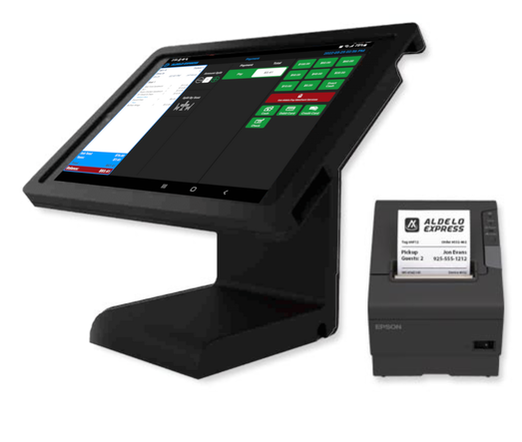
A common POS system needs essential hardware elements, consisting of a touchscreen display, cash money cabinet, barcode scanner, invoice printer, and settlement terminal. These elements collaborate to assist in effective transaction processing and stock administration for sellers.
Can POS Software Be Custom-made for Certain Retail Requirements?
POS software can indeed be tailored to satisfy specific retail demands. Restaurant POS Software. This adaptability enables organizations to customize features, user interfaces, and reporting devices, improving operational effectiveness and providing a much more customized experience for both staff and consumers
Exactly How Secure Is Client Information in POS Systems?
The safety and security of consumer information in POS systems varies commonly. Many systems execute security, protected accessibility controls, and normal updates, yet susceptabilities can still exist, requiring ongoing alertness and proactive procedures from retailers to safeguard delicate information.
Comments on “Steps for selecting the best-suited Restaurant POS Software solution for your venue”